The Best Destination Wedding Locations for UK Couples (And What to Know Before You Book)
Veilly Team
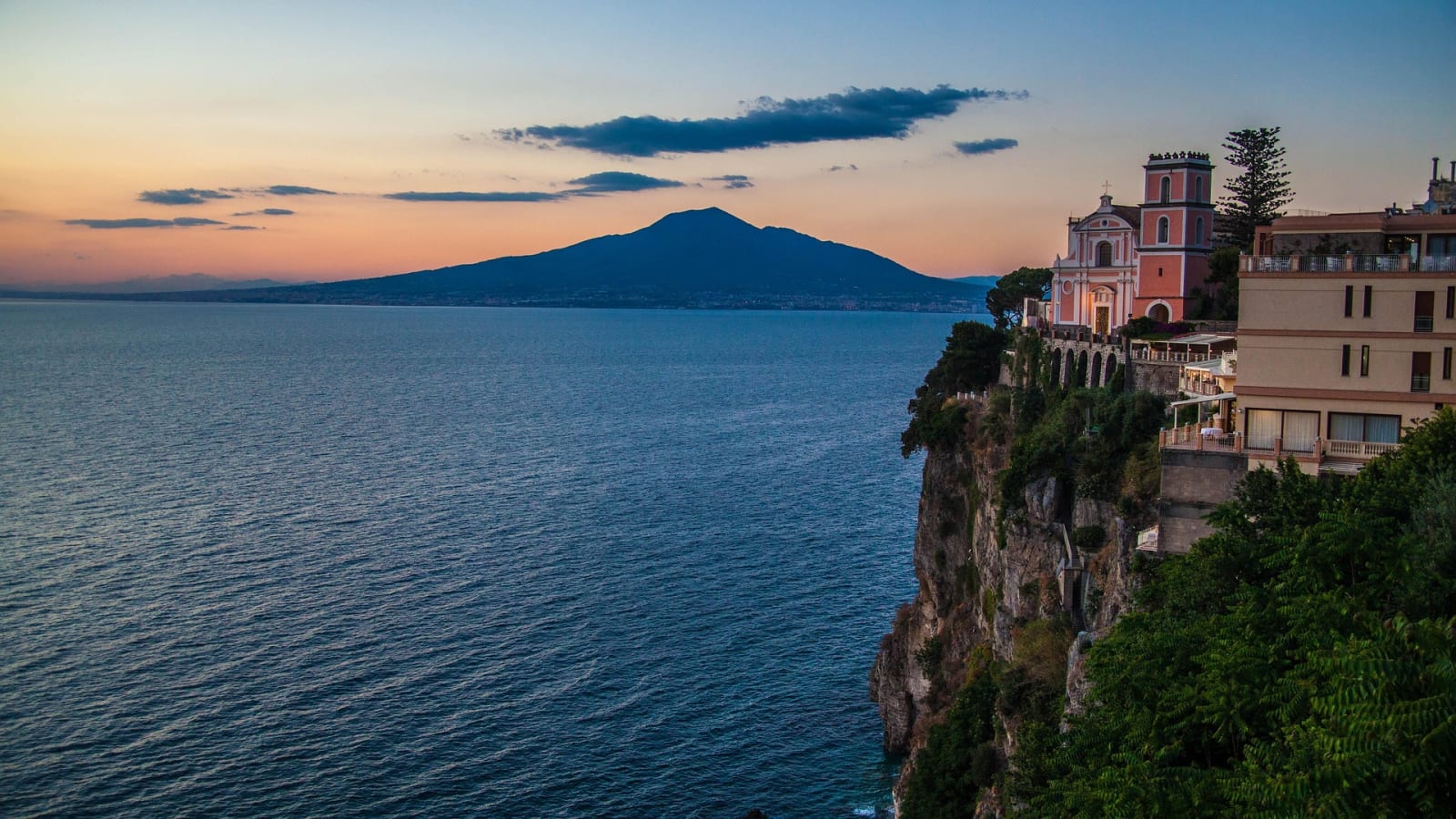
Most UK couples fall for a destination the moment they see it on Pinterest, long before they check anything beyond the aesthetics. Four things actually decide whether your wedding abroad turns into an elegant weekend or a logistical headache: flight time, legal requirements, weather and real budget. Here are the eight destinations British couples choose most often, with an honest look at what works and what doesn't for each one.
Key takeaways
- Italy remains the most popular destination among UK couples, especially Tuscany and Lake Como. Its legal paperwork (an apostilled CNI plus a statutory declaration) takes longer to complete than in any other destination on this list.
- Croatia and Portugal offer the lightest legal processes for UK couples. They also rank among the most affordable options in Europe.
- France and Spain have residency rules strict enough that most UK couples hold a symbolic ceremony there and complete the legal marriage in England beforehand.
- Flight time from London to most popular destinations falls between two and four hours. The best weather windows (late spring or early autumn) tend to coincide with peak pricing, so booking outside the busiest months can cut costs by well over ten per cent.
- Most couples start planning a wedding abroad twelve to eighteen months ahead of the date. Popular Saturdays in peak season on Lake Como or in Tuscany can be booked out eighteen to twenty four months in advance, because venue availability, not the legal paperwork, is the real bottleneck.
Tuscany, Italy
Tuscany is still the first choice if you're drawn to stone villas, vineyards and that particular golden light at sunset. Flights from London to Pisa or Florence take around two and a half hours, with budget airlines running the route several times a day in season. That's a real advantage for guests flying in on the day. The legal side is the most complicated of any destination here. A civil marriage requires a certificate of no impediment (CNI) from your local register office after the 28 day notice period, legalised with an FCDO apostille, plus a bilingual statutory declaration signed before a solicitor or notary. The CNI comes with a limited validity window (six months for certificates issued in England and Wales, three for Scottish ones), and the realistic margin for the paperwork is around six months. That's why most couples marry legally in England before travelling and hold a symbolic ceremony in Tuscany instead. This is the standard approach here, not a compromise. Paperwork aside, popular villas and venues are typically booked twelve to eighteen months ahead, and peak season Saturdays often need eighteen months' notice or more. May, June, September and October bring the best weather. August tends to be hot and busy with tourists. Budget for 70 to 80 guests usually runs €40,000 to €60,000, with the upper range climbing considerably higher at premium private villas.
Lake Como, Italy
Como is shorthand for luxury, and one of the few destinations where the name of the place practically sells the wedding on its own. Flights from London to Milan (Bergamo) take around two hours, plus another hour to ninety minutes by transfer to the lake itself. That can be tough on guests arriving late in the evening. The legal requirements match the rest of Italy: an apostilled CNI, a statutory declaration and a process that runs several months, so a symbolic ceremony following a civil marriage in the UK is the usual route here too. High season (June to September) can be hot and heavily trafficked with tour boats, which is why many couples aim for late May or early October, when the light is just as good and the crowds thin out. Como is also the most expensive destination on this list. Villa and venue prices climbed noticeably in 2026, and a budget of €60,000 to €100,000 or more for a smaller guest list isn't unusual. This is where the gap between the legal minimum and the practical reality is widest. The paperwork can be wrapped up in about six months, but the most sought after villas are booked eighteen to twenty four months out. If Como is on your list, plan on a two year runway, not a six month one.
The Amalfi Coast, Italy
Amalfi means dramatic cliffs, colourful towns and a ceremony backdrop that genuinely can't be replicated anywhere else. The nearest airport is Naples, roughly two hours forty minutes from London. From there it's a winding one and a half to two hour drive to Positano or Ravello, worth flagging clearly to older guests. Legal requirements mirror the rest of Italy: a civil marriage in the UK, then a symbolic ceremony on site. June and September are the sweet spot months. July and August bring crowds, higher prices and heat that can be tough to manage during a ceremony in full sun. Budgets start around €35,000 and climb quickly with venue prestige. Amalfi sits among Italy's pricier regions, broadly on par with Tuscany.
Santorini and the Greek Islands
Santorini practically sells itself: whitewashed houses, blue domed churches and a sunset that looks pre-edited. Direct flights from London take around four hours, though some direct routes only run seasonally. Outside peak months you're looking at a connection through Athens. The good news is that Greece has no residency requirement. The legal process itself, which involves a British CNI certificate and certified translations, needs a minimum of three to four months and costs relatively little in official fees (£200 to £400). It's one of the few popular destinations where a fully legal wedding on site is a genuinely convenient option. Most couples still plan venue and guest logistics with a longer twelve month runway, though, treating the paperwork as one of the last steps rather than the first. Best weather falls in May, June, September and October. August brings the meltemi, a strong seasonal wind, along with high heat. Budgets typically sit between $35,000 and $65,000, depending on venue and guest count.
Croatia: Dubrovnik and Dalmatia
Croatia has been gaining ground as the more sensible alternative to Italy: the same Mediterranean look, the same stone streets, noticeably lower prices. Flights from London to Dubrovnik take around two hours forty five minutes, with direct routes from several airports, making it one of the most convenient connections on this list. The formalities are surprisingly straightforward. There's no residency requirement, and documents (including the CNI, which UK couples apply for by post from the British Embassy in Zagreb) need to be submitted to the registrar a minimum of 30 to 45 days before the wedding. British documents do need an apostille and a certified Croatian translation, but the process itself is short and well rehearsed. This is genuinely one of the easiest destinations here from a legal standpoint, though that short minimum applies to the paperwork only. The venue itself, especially in Dubrovnik during July or August, is still worth booking ten to twelve months out, since popular dates go quickly. June and September are the best months. July and August run hot and get crowded with cruise ship traffic. Budget for 80 to 100 guests usually falls between €20,000 and €35,000, putting Croatia near the top for value.
The Algarve, Portugal
The Algarve pairs cliff top coastline and sandy beaches with something few other destinations offer: a genuinely simple legal path. Flights from London to Faro take around two hours fifty minutes, and the airport sits close to most venues, keeping transfers short even for older guests. The formal requirements are among the lightest in Europe. The process needs a minimum of four to six weeks, making Portugal one of the few destinations where a fully legal on site wedding is realistic without half a year of paperwork. That's the minimum for the legal side only, though, not for the wedding as a whole. Most couples still book Algarve venues nine to twelve months ahead to get their pick of dates and give guests time to plan travel. Weather is mild for most of the year, but April to June and September to October bring the most comfortable temperatures for an outdoor ceremony. On price, the Algarve is one of the best value regions in Western Europe. Budget for 100 guests typically runs €25,000 to €70,000, with plenty of options at the lower end.
Provence and the French Riviera, France
Lavender fields, vineyards and Provençal mas farmhouses create a look that's genuinely hard to mistake for anywhere else, which is why France stays firmly on the wish list. Flights from London to Nice take just over two hours, making the Riviera one of the quickest premium destinations to reach. This is where things get complicated. France requires you, your partner, or one of your parents to have lived in the town for at least 40 days before the ceremony, and the town hall appointment needs to be booked at least six weeks in advance. In practice this rules out a legally binding marriage on site for most UK couples. You won't need a CNI here as you would elsewhere. Instead, the town hall asks for a signed self declaration confirming you're free to marry. The common solution is a civil marriage in England beforehand, followed by a symbolic ceremony in France, usually led by a celebrant. May, June and September bring the best weather. Lavender blooms in July are a visual bonus, but that's also peak season. Budget for 100 guests usually runs $25,000 to $50,000, depending on the region and venue prestige.
Ibiza, Spain
Ibiza suits couples who want to pair an elegant ceremony with a party that runs until sunrise: white fincas, dramatic sunsets and a reputation that draws younger guests happy to stay the whole weekend. Flights from London take around two and a half hours, with plenty of direct routes in season. The legal side is difficult, though. Spanish law requires one of you to be a resident of Spain or a Spanish national, which makes a fully legal wedding on site impractical for the vast majority of UK couples still based in England. The standard approach is a civil marriage in the UK followed by a full scale symbolic ceremony on the island. May, June, September and October are the best months for weather. July and August bring the highest prices and the biggest crowds. Budgets are highly flexible, from intimate fincas around €25,000 to exclusive estates well above €80,000.
Summary
The right destination depends on you, your guests and your budget. If straightforward legal logistics and reasonable prices matter most, Croatia or Portugal are worth a serious look. If the aesthetic is non negotiable, you'll almost certainly end up in Italy, and you'll need to accept that the legal marriage happens in England while the ceremony abroad stays symbolic. France and Spain are tempting for the scenery, but they come with the same legal trade off, so it's better to make peace with it at the start of planning rather than at the last minute. It's also worth remembering that a short legal minimum in a given country doesn't set your real planning timeline. Venue availability does, which is why most couples start preparations twelve to eighteen months before the date. Whichever destination you choose, the same moment eventually arrives: when 70 or 90 guests from several countries start asking the same questions. What time, which hotel, how to get from the airport. That's the point where you stop needing another WhatsApp group and start needing one elegant place where every guest can find the answer themselves. That's exactly what Veilly's guest portal is built for: an elegant wedding abroad, without the chaos.
Frequently asked questions
Here are the questions UK couples ask most often early in the process of choosing a destination.
Where do most British couples get married abroad?
Italy, and Tuscany, Lake Como and the Amalfi Coast in particular, remains the most popular destination for UK couples. Croatia, Portugal and the Greek islands follow close behind.
Will our wedding abroad be automatically recognised in the UK?
Yes, provided it's carried out according to local law and you complete the required formalities, including a CNI where one is needed. It's always worth confirming current requirements with the British Embassy or the local registry office, since rules do change.
Which popular destination is legally simplest for UK couples?
Croatia and Portugal have some of the lightest processes in Europe: no residency requirement and relatively short minimum timelines, unlike Italy, France or Spain.
How far in advance do we need to start the legal paperwork for a wedding abroad?
It depends on the country, and the minimum timeframe covers the paperwork only, not the whole wedding. In Portugal or Croatia the minimum is four to six weeks, in Greece it's three to four months, and in Italy the realistic minimum is around six months. The safest approach is to start the legal process at least six months before the date regardless of country, to leave room for any corrections to your documents.
When should we start planning the wedding itself?
Most couples start planning twelve to eighteen months before the date. That's the time needed to secure a venue and send save the dates far enough ahead (nine to twelve months) for guests to plan their travel. For the most in demand venues, such as peak season Saturdays on Lake Como, the realistic minimum is eighteen to twenty four months. The legal paperwork can usually be finished faster, but it's venue availability and guest logistics, not the paperwork, that determine when you actually need to begin.
Which popular destination is cheapest for British couples?
Croatia generally offers the best value among the destinations covered here, with budgets starting noticeably lower than Italy or Greece for a similar guest count.